
How Crash Games Work: Multipliers, Cash-Out Timing and the Role of Chance
A crash game gives you one live decision: when to take the multiplier before it disappears. The number climbs from its starting point, and at some moment the round ends. Cash out first and your stake is settled at the multiplier on screen. Wait too long and the round closes with nothing returned. Nothing you press during the climb changes where it stops.
That single rule shapes everything else. The stopping point is generated, not nudged by how quickly you tap or how long you hesitate, so the real choice is between cashing out early for a smaller return and holding for more while accepting a higher chance of losing the stake. Reading the multiplier curve is not the same as predicting it.
See also:
- The Core Mechanic: A Rising Multiplier That Stops Without Warning
- Access to games
- ripper casino sign up
- bet365 casino
- playcroco free spins
- space wins casino
- casinoly casino
- mafia casino
- winum casino
- Where the Random Number Generator Decides Everything
- Cash-Out Approaches Compared: Early, Late or Automatic
- Strategy, Pattern-Spotting and the Limits of Player Influence
- How Formats and Titles Differ Without Changing the Underlying Risk
- Crash Game Mechanics: Common Questions
- Keeping Crash Games in Perspective
The Core Mechanic: A Rising Multiplier That Stops Without Warning
Where the stake goes and what the multiplier represents
A crash round begins with a stake and a decision to join the next round. The round then enters a running phase, where a multiplier climbs from its starting point upwards. Alongside it sits a cash-out control attached to your stake. Cash out while the multiplier is still rising and you take a return based on the value shown at the moment you pressed the control. Wait too long and the round ends at a randomised point: the multiplier stops, and any stake still in play is lost. That single rule, exit before the stop, defines the choice the game presents.
The multiplier is not a countdown with a hidden remainder you can deduce. Its stopping point is generated for each round, so the displayed figure reflects what has already happened, not what is about to. This is the distinction between the curve you watch and the outcome you receive.
Skill perception versus chance outcome
Watching multipliers climb invites pattern-spotting. A round that crashes early can feel "due" to run longer; a long run can feel like a signal to keep going. Neither is a usable criterion, because each round’s stopping point is independent of the ones before it. Past crashes tell you nothing dependable about the next one.
What the player genuinely controls is the exit decision: whether to accept the figure on screen or hold out for more. Skill lies in setting a target before the round and respecting it, not in predicting the stop. The practical test is simple. If you cannot state the multiplier at which you will leave before the round starts, you are reacting to the curve rather than deciding from it. That reflex, not the randomness itself, is what turns a chance outcome into a loss of control.
verywell casino withdrawal: Choose and set up your withdrawal method
Access to games
Slot selection ranges widely across platforms, influencing whether a player encounters niche titles or mainstream favourites. Understanding these inventory differences aids in choosing a venue that suits individual entertainment tastes and session length expectations.
| Brand | Details |
|---|---|
| ripper casino sign up | Ripper casino lets players move between pokies, video poker and roulette within one lobby. |
| bet365 casino | bet365 casino separates general terms from per-game rules, and both form one contract; game documents explain feature behaviour. |
| playcroco free spins | Table games like Blackjack and Video Poker are excluded from PlayCroco bonus wagering requirements. |
| space wins casino | Blackjack decisions have better and worse mathematical answers, while slots remove that choice entirely, so pick the format that suits how you like to play. |
| casinoly casino | Casinoly casino, operated by Rabidi N.V., offers a library of over 4,000 games. |
| mafia casino | NetEnt, Pragmatic Play and Play’n GO supply slots, while Evolution supplies live dealer tables and crash games cover shorter rounds. |
| winum casino | Winum’s games sit behind a Comoros licence, outside UK Gambling Commission protection. |
This overview clarifies where providers concentrate their efforts, whether on exclusive releases or broad catalogue coverage. Such distinctions determine the practical experience of browsing and discovering new games within a chosen environment.
ripper casino sign up
The games list tells you what exists, not what suits your budget. At Ripper casino, a five-reel pokie with many paylines can cost more per spin than a single-line three-reel machine. Check the bet levels before you commit to a format, then stay within a limit you set in advance.
bet365 casino
Pick a casino title at bet365 and its rules become part of your agreement with the operator. They are drafted to work with the general terms rather than compete with them. One consequence: disputes about a particular game turn on its own document, so knowing where that document sits in the help section saves time when a question arises.
playcroco free spins
PlayCroco limits bonus clearance to specific games, excluding high-payout titles like Blackjack and Video Poker. This restriction prevents players from clearing the 60x wagering requirement through low-variance table strategies. Stakes placed on excluded games contribute nothing toward turnover, meaning any winnings generated there remain locked until eligible slots are played.
space wins casino
Progressives and jackpot slots change the arithmetic of a session, and they sit alongside ordinary slots in most lobbies, including the slot range at Space Wins Casino. A jackpot contribution usually comes out of the stake, which lowers the base return. If chasing a large prize is the point, that trade-off is the price of entry.
casinoly casino
Table game players are sometimes an afterthought in a large slot catalogue. At Casinoly casino, more than 4,000 games include table and live-dealer options, though slots take the larger share. If roulette or blackjack is your focus, filter by category early rather than trawling the front page, which leans towards slots.
deal or no deal casino game: Live Dealer or Digital RNG
mafia casino
Mafia Casino also takes sports bets, so the lobby mixes casino titles with a bookmaker. For games, that means slots from NetEnt and Pragmatic Play, classic table games, Evolution live tables and crash rounds in one account. A single balance then covers a football bet and a slot session. Keep the two budgets separate if you track spending.
winum casino
Crash games sit alongside slots and live dealer tables in Winum’s catalogue of more than 10,000 titles. Crash rounds run on a rising multiplier that can end at any moment, so the outcome depends on when you cash out, not on a paytable. Treat these as a distinct format from reels-based slots when you browse. The brand holds an AOFA Comoros licence, not UK regulation.
Where the Random Number Generator Decides Everything
The Crash Point Is Drawn Before the Climb Begins
The rising curve looks like something unfolding in real time, but the moment that ends a round is fixed in advance by the random number generator. The generator produces a value, the game maps that value to a crash point, and the animation then counts upward until it reaches the preselected result. Watching the line climb tells you nothing about the hidden value behind it. This is the practical limit of every round: no pattern in the curve, no pace of ascent and no streak of short or long rounds gives you a read on where the crash sits.
A round that ends sooner than the player expects is not behaving differently from one that runs long. Both follow the same draw, and the generator is built so that each round’s result is independent of what came before. The distribution of crash points can still be designed: the game’s published rules determine which results are possible and how often the curve stops early or late. That design is a set of probabilities, not a schedule. A sequence of five rounds ending low does not make a higher crash point more likely next time; the draw has no memory of the previous five.
Why the Display Cannot Reveal What the Draw Holds
Provably fair systems, where a game publishes a commitment to its generator output and later lets players check the published value against a revealed seed, allow a result to be verified after the round. They do not let a player predict the crash in advance, because the checkable data is withheld until the round is over. A verifier therefore confirms that a round was not altered, not that the next round can be read.
The practical consequence is what you may act on. You can choose a cash-out point, set an automatic exit and accept that the outcome you receive depends on a value you cannot inspect. Picking numbers based on the shape of the last few curves is not reading the generator; it is guessing. The honest description of a round is a fixed result wrapped in a live animation, and treating the animation as information is the one assumption the mechanics do not support.
Cash-Out Approaches Compared: Early, Late or Automatic
The choice that actually matters is not which exit looks braver, but which one you can execute under pressure. A cash-out plan is only as good as the moment it runs: a manual tap needs attention at the exact second the multiplier moves, an automatic exit needs a target set before the round begins, and a late chase needs the willingness to accept a large loss as the likely outcome. Compare the three by their execution risk and their cost, not by the size of the multiplier each one hopes to reach.
| Approach | Criterion it optimises | What it trades away | Fits when |
|---|---|---|---|
| Manual early exit at a modest multiplier | Frequency of completed exits | Larger multipliers are given up by design; the round can still crash before the tap registers | You want the round to end quickly and can watch the screen continuously |
| Holding for a higher multiplier | Potential return per round | Higher chance the round ends before you act; losses arrive in larger, less frequent clusters | You accept that most attempts may fail and the stake is expendable |
| Automatic cash-out at a preset target | Removing reaction time from the decision | The target is fixed before the round, so a fast crash still takes the stake and a long rise leaves value behind | You cannot monitor the screen or you know your own hesitation costs you |
Execution separates the rows more than ambition does. A manual exit depends on a tap reaching the server before the crash; latency and a crowded connection are part of the result, not a technicality. Automatic cash-out removes that race but does not improve the odds of the multiplier reaching the target, because the target is chosen without knowing the outcome. Holding for a higher figure concentrates the same expected loss into fewer, larger hits, which is harder to absorb than it sounds over an evening. The misleading shortcut is treating a high multiplier already reached as evidence the next second is safe. It is not; each moment is decided independently, so a round that has doubled tells you nothing about the next increment.
Richy Fox Casino No Deposit Bonus: Reading the Wagering Requirement
Set the exit rule before the round starts and judge it afterwards by whether you followed it, not by whether the multiplier happened to keep rising. That is the only criterion the player actually controls.
Strategy, Pattern-Spotting and the Limits of Player Influence
Choices You Actually Make
The decisions that genuinely belong to you are made before and during a round, not inside the multiplier’s path. You choose when to enter, what stake to place and whether to cash out at a given point. Each of those choices changes how much is at risk and how long you stay exposed. None of them alters the probability the round will crash somewhere below the level you are waiting for.
A simple test separates control from illusion. Pick a fixed cash-out target in advance and commit to it. That is a real decision, because it defines your exposure and your exit. Watching for a pattern that hints when the crash is coming is not a decision at all, since there is nothing to base it on and no feedback loop to learn from.
Patterns That Feel Real and Outcomes That Are Not
A rising line invites the eye to spot rhythm: two short rounds, then a long one; a pause, then a surge. The human mind is built to find sequences in noise, and the display obliges by drawing every round as a live curve. The curve is a record of the past, not a forecast of the next round. Each result is produced independently, which is why a long run of low crashes carries no memory into what follows and gives you no edge by waiting for a correction.
mystake casino no deposit bonus, eligibility checks, wagering terms
What pattern-spotting can usefully do is reveal your own habits. If you notice yourself raising stakes after a loss or chasing a target you never chose in advance, that observation is actionable. Adjusting your own behaviour is within reach; adjusting the outcome is not. The honest conclusion is a narrow one: your influence covers stake, entry, exit and the choice to stop. Everything about where the round ends sits outside it.
How Formats and Titles Differ Without Changing the Underlying Risk
Themed Skins and the Same Random Mechanism
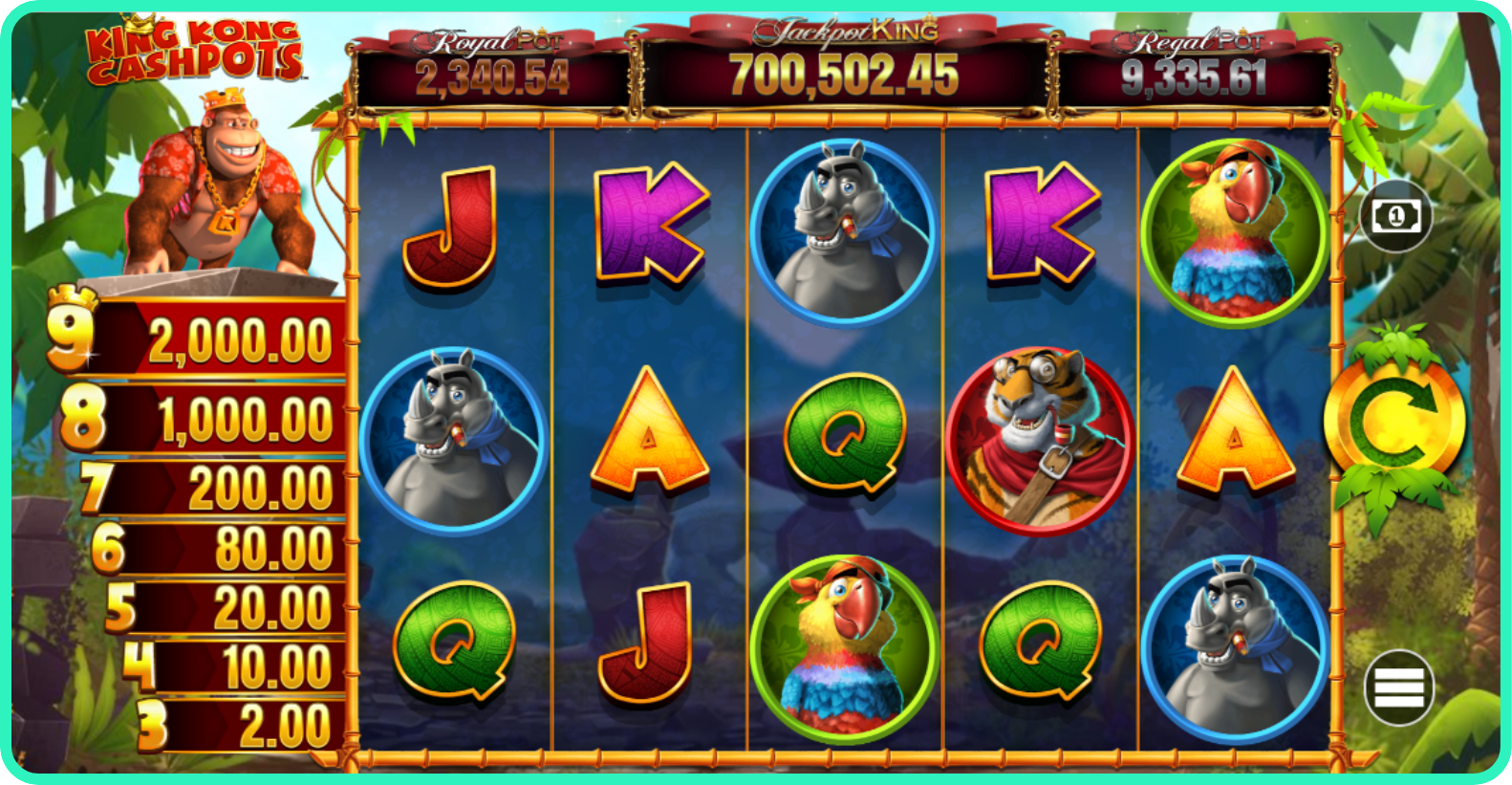
A change of theme does not change the arithmetic. Whether a title presents a rocket climbing, a plane taking off or a character walking away with a bag of cash, the multiplier curve is generated by the same kind of random draw, and the point at which it ends is outside the player’s control. That distinction matters when you are choosing between titles: a brighter interface, an animated character or a film tie-in changes what you look at, not what determines the result.
Titles sometimes add a visible twist, such as a second decision point mid-round or a choice of how much to stake on a given stage. Those additions change the shape of a session and the pace at which money moves, so read them carefully. What they do not do is tilt the underlying chance in your favour. Two games with different artwork and different pacing can carry the same expected return, and the same game can feel very different at two stake levels without the maths shifting.
Reading a Title’s Rules Rather Than Its Looks
The practical comparison comes down to the rule panel, not the splash screen. A standard multiplier chart tends to show a single rising figure and a cash-out button; a themed variant may describe round phases, bonus triggers or a different way of resolving a result. Each of those details tells you how the round plays out, and that is the part worth comparing. Presentation is the variable you can safely ignore.
Cash or Crash is a useful example of a title whose name promises more than it changes. The cash-out decision is still yours, and the crash is still decided at random. What differs is the pacing and the visual cues, which affect how long you stay and how often you act, not the odds themselves. Choose on the clarity of the rules and the speed of play that suits you.
Crash Game Mechanics: Common Questions
How can a player check whether a crash game’s results are independently verified rather than taking the casino’s word for it?
Look in the game’s rules or help panel for the name of an independent testing body and the certification it issued. A provider’s own assurance is not the same as third-party certification. Independent verification confirms testing procedures; it does not improve the odds or change how a round resolves.
Is auto cash-out safer than cashing out manually, or just a different way to lose at the same rate?
The house edge stays the same overall. Auto cash-out removes the hesitation and reflex errors of manual timing, so your chosen target is actually executed. Manual cashing out keeps more control but depends on reaction speed. Neither approach changes the underlying chance.
sweety win casino no deposit bonus: What to Read Before Opting In
If past rounds show several low crashes in a row, is a high multiplier due next?
No. Each round is generated independently of the last, so a run of early crashes carries no memory into the next result. Clustering is normal in random sequences and is not a signal of what comes next. Waiting for a correction does not change the odds.
Keeping Crash Games in Perspective
A rising multiplier is engaging because it turns every second into a visible decision. That feeling of control is the illusion worth naming. The crash point is generated randomly, so an early cash-out and a late one differ in risk taken, not in skill applied. Budgeting before you open a game is the practical counterweight: decide a session amount you can lose without consequence, keep stake sizes small relative to it and stop when it is gone. Chasing a crash you missed, or raising stakes to recover, only extends exposure. In the UK you must be 18 or over. The Gambling Commission regulates licensed sites, GAMSTOP lets you self-exclude across them, and GamCare and BeGambleAware run the National Gambling Helpline on 0808 8020 133.